Portable solar generators make camping more comfortable by giving you quiet, fuel-free power for lights, phones, cooking accessories, and safety gear. Instead of relying on noisy gas equipment or draining your vehicle battery, you can capture solar energy during the day and use it when you need it most. That makes them especially useful for weekend campouts, family trips, overlanding, and longer stays at sites without hookups. The right setup helps you keep essentials charged, reduce power anxiety, and spend more time enjoying the outdoors. To choose well, focus on the practical basics: enough battery capacity for your gear, the right ports and output levels, durable construction, and a charging plan that matches how and where you camp.
What to Look for Before Choosing a Portable Solar Generator
Battery Capacity, Output, and Charging Options
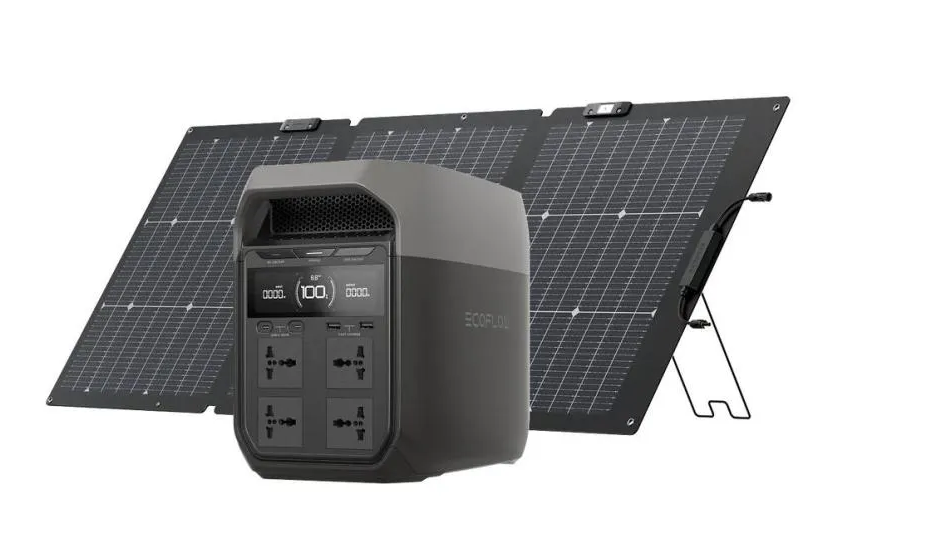
Battery capacity tells you how much stored energy a portable solar generator can provide, usually measured in watt-hours. For camping, that figure should cover your core devices for at least a full day, with extra room for cloudy weather or unexpected use. Output matters just as much. Check the continuous wattage for appliances you want to run, and make sure the surge rating can handle startup loads from items like small coolers or pumps. A solid camping setup should include multiple charging options, including wall charging before departure, car charging while driving, and solar input at camp. Port selection also affects convenience. USB-C is useful for phones, tablets, and many laptops, while AC outlets support items like chargers, small cooking tools, or medical devices. Fast recharging is a major advantage because it shortens downtime and helps you make the most of limited sunlight or travel windows.
Portability, Durability, and Weather Readiness
A camping power station should be easy to move from your vehicle to the tent, picnic table, or cooking area. Weight, handle design, and overall shape affect real-world portability more than spec sheets alone. If you frequently change campsites or hike gear in from a parking area, compact size becomes a serious advantage. Durability also matters because outdoor trips expose equipment to bumps, dust, uneven ground, and temperature swings. Look for a sturdy housing, stable feet, and well-protected ports or covers that reduce exposure when the unit is not in use. Weather readiness does not mean leaving the generator out in rain, but it should handle normal campsite conditions with sensible care. Pairing it with weather-appropriate solar panels, dry storage, and a sheltered charging spot helps extend service life. A bright, readable display is another practical feature, especially at dawn, dusk, or during bad weather when you need to monitor battery levels quickly and adjust power use before the battery runs too low.
Essential Gear That Works Best with a Portable Solar Generator
Camping Devices and Appliances You Can Power
A portable solar generator works especially well with LED lanterns, string lights, smartphones, tablets, GPS units, cameras, rechargeable headlamps, radios, and battery chargers for outdoor tools or photography gear. It can also support practical comfort items such as small fans, CPAP machines, electric blankets on low settings, portable coolers, and compact pumps for air mattresses or water transfer. For meal prep, it may handle low- to moderate-power accessories like blenders, coffee makers, or electric kettles if the generator’s output is high enough. Laptops and mobile hotspots are also common campsite essentials for remote work or trip planning. The smartest approach is to reserve battery power for equipment that improves safety, communication, visibility, and food management first, then use any extra capacity for convenience items. That keeps your setup dependable throughout the trip.
Building an Efficient Camping Power Setup
An efficient camping power setup starts with separating must-have devices from nice-to-have extras. Charge phones, lights, navigation tools, and medical equipment first, then schedule higher-draw items for sunny periods when your solar panels are actively replenishing the battery. Use DC or USB outputs whenever possible because they are typically more efficient than running small electronics through AC outlets. Keep cable lengths reasonable, bring only the adapters you need, and organize charging times so several low-draw devices can top up together. A folding solar panel, extension cable, and protected storage bag make the system easier to manage at camp. When every component has a purpose, your portable solar generator delivers longer runtime and more reliable daily performance.
Tips to Get the Most from Your Portable Solar Generator
Smart Charging and Energy Management in the Field
Set solar panels in direct sunlight early in the day and adjust their angle as the sun moves to improve energy harvest. Recharge high-priority devices first and avoid leaving fully charged items plugged in unnecessarily. Turn off unused outputs, dim lights when possible, and run larger loads during active solar input to reduce strain on stored battery power overnight.
Storage, Maintenance, and Safety Best Practices
Store the generator in a cool, dry place, and recharge it periodically between trips to protect battery condition. Keep vents clear, wipe away dust, and inspect cables and connectors before each outing. Use the unit on stable ground, protect it from rain and standing water, and follow the manufacturer’s charging and operating guidelines for safe, reliable performance.
Conclusion
Portable solar generators are one of the most practical upgrades for modern camping because they provide dependable power without noise, fumes, or constant fuel planning. The right choice comes down to matching battery capacity, output, charging options, and portability to the gear you actually use. Once paired with efficient devices and a smart charging routine, a compact power station can support lighting, communication, comfort, and essential campsite tasks with far less hassle. Focus on real power needs, keep your setup simple, and use solar input wisely. With that approach, you can camp longer, stay better prepared, and enjoy a more convenient off-grid experience.