
Introduction
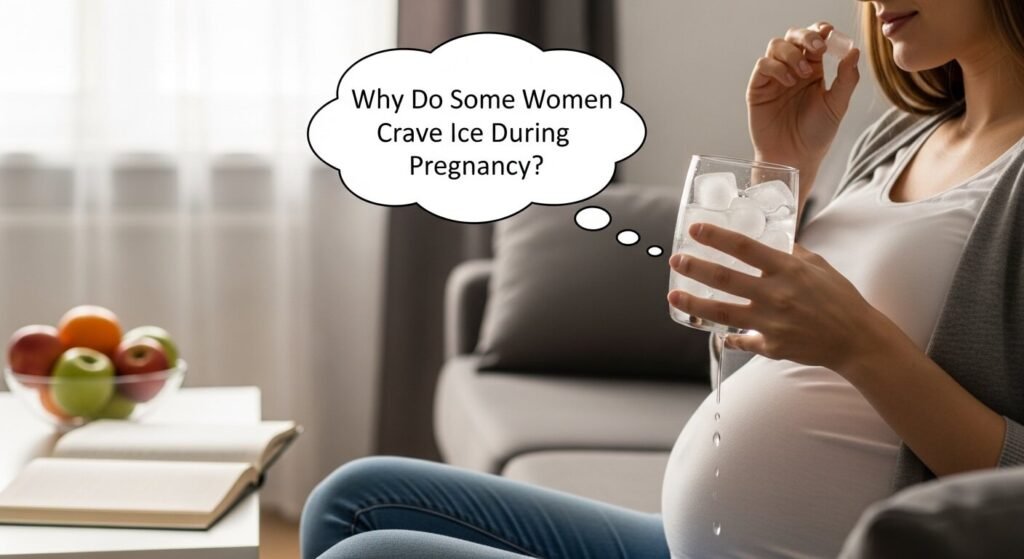
Many pregnant women notice unusual food cravings during pregnancy. One surprising craving that many expectant mothers experience is the strong desire to chew or eat ice. This pregnant ice craving can feel confusing and sometimes concerning because ice is not a typical food item. Some women may worry whether this craving is normal or if it indicates a health issue. The good news is that while craving ice during pregnancy is relatively common, it can sometimes signal an underlying condition such as iron deficiency. Understanding the causes, symptoms, and possible health implications can help pregnant women manage pregnant ice craving safely and maintain good health for both mother and baby.
What Is Pregnant Ice Craving?
Pregnant ice craving refers to a strong desire to chew or eat ice during pregnancy. This behavior is often linked to a condition known as pica, which is characterized by cravings for non-nutritive substances such as ice, clay, chalk, or starch.
Pica can occur in both children and adults but is more commonly observed during pregnancy. Many healthcare professionals believe that ice cravings may be connected to nutritional deficiencies, particularly iron deficiency anemia.
Although chewing ice may seem harmless, persistent cravings should not be ignored because they may indicate that the body is lacking important nutrients.
Is It Normal to Crave Ice During Pregnancy?
Food cravings are very common during pregnancy. Many women crave sweet, salty, or unusual combinations of foods. However, pregnant ice craving is slightly different because ice does not contain nutrients.
Doctors generally say that occasional ice chewing is not dangerous. However, if the craving becomes frequent or intense, it may indicate a nutritional imbalance.
Several studies suggest that ice cravings may help temporarily relieve inflammation in the mouth or tongue that sometimes occurs with iron deficiency anemia.
Therefore, while pregnant ice craving may seem unusual, it can sometimes serve as a signal from the body that something needs attention.
What Causes Pregnant Ice Craving?
There are several possible reasons why some women experience pregnant ice craving.
1. Iron Deficiency Anemia
One of the most common causes of ice cravings during pregnancy is iron deficiency anemia. During pregnancy, the body needs more iron to support the developing baby and increased blood production.
If iron levels drop too low, symptoms may include:
- Fatigue
- Weakness
- Pale skin
- Shortness of breath
- Unusual cravings such as chewing ice
Many doctors recommend checking iron levels when pregnant women report strong ice cravings.
2. Hormonal Changes
Pregnancy hormones can affect taste, appetite, and sensory perception. These hormonal shifts may influence unusual cravings, including ice chewing.
Hormonal fluctuations may also affect saliva production or cause oral sensitivity, making cold ice feel soothing.
3. Dehydration
Sometimes pregnant ice craving may simply be related to thirst. Pregnant women need more fluids, and chewing ice may feel refreshing if the body is slightly dehydrated.
Drinking enough water throughout the day may reduce the urge to chew ice.
4. Pica Disorder
In some cases, ice craving may be part of a broader condition called pica, which involves cravings for substances with little or no nutritional value.
Pica during pregnancy may include cravings for:
- Ice
- Clay
- Chalk
- Dirt
- Starch
Medical guidance is important if these cravings become frequent.
Is Eating Ice During Pregnancy Safe?
Generally, chewing ice occasionally is not harmful during pregnancy. However, frequent ice chewing may create several problems.
Dental Problems
Chewing ice can damage tooth enamel or cause small cracks in teeth.
Jaw Pain
Excessive ice chewing can strain the jaw muscles.
Nutritional Deficiency Warning
Persistent pregnant ice craving may indicate underlying iron deficiency or other nutritional issues.
Because of these potential risks, doctors recommend discussing persistent cravings with a healthcare provider.
Symptoms Associated With Pregnant Ice Craving
Women experiencing pregnant ice craving due to iron deficiency anemia may notice additional symptoms.
Common symptoms include:
- Constant fatigue
- Dizziness
- Headaches
- Cold hands and feet
- Pale skin
- Shortness of breath
If these symptoms occur together with strong ice cravings, a medical evaluation may be necessary.
How Doctors Diagnose the Cause
Healthcare providers usually investigate pregnant ice craving through simple medical tests.
Blood Tests
Blood tests measure iron levels, hemoglobin levels, and other important nutrients.
Medical History
Doctors may ask questions about diet, symptoms, and pregnancy health.
Nutritional Assessment
Healthcare professionals may evaluate whether the mother’s diet provides enough essential nutrients.
These steps help determine whether the craving is related to anemia or another condition.
How to Manage Pregnant Ice Craving
Managing pregnant ice craving usually involves addressing the underlying cause.
Improve Iron Intake
Eating iron-rich foods can help prevent anemia. Good sources include:
- Lean meat
- Spinach
- Lentils
- Beans
- Eggs
- Fortified cereals
Take Prenatal Vitamins
Prenatal vitamins often contain iron and other essential nutrients needed during pregnancy.
Stay Hydrated
Drinking enough water may reduce the urge to chew ice.
Choose Healthier Alternatives
Instead of chewing hard ice, pregnant women can try:
- Crushed ice
- Frozen fruit
- Smoothies
- Cold yogurt
These alternatives can satisfy the craving while providing nutrients.
When Should You See a Doctor?
Although occasional ice chewing is usually harmless, persistent pregnant ice craving should be discussed with a healthcare provider.
Seek medical advice if:
- Ice cravings are very strong
- You chew ice frequently throughout the day
- You experience symptoms of anemia
- You crave other non-food substances
Early medical evaluation ensures both mother and baby remain healthy.
Tips for Healthy Pregnancy Cravings
Pregnancy cravings are normal, but maintaining balanced nutrition is important.
Here are some helpful tips:
Eat Balanced Meals
Include protein, fruits, vegetables, whole grains, and healthy fats.
Monitor Nutrient Intake
Iron, calcium, and folic acid are essential nutrients during pregnancy.
Listen to Your Body
Cravings sometimes reflect nutritional needs.
Talk to Your Doctor
Always discuss unusual cravings or eating behaviors during prenatal visits.
Managing cravings responsibly helps maintain a healthy pregnancy.
Why Pregnancy Cravings Happen
Scientists still do not fully understand why cravings occur during pregnancy.
Possible explanations include:
- Hormonal changes affecting taste and smell
- Increased nutritional demands
- Emotional comfort associated with certain foods
- Cultural influences and habits
Regardless of the cause, most cravings—including pregnant ice craving—are temporary and disappear after pregnancy.
Conclusion
Pregnant ice craving is a common but sometimes misunderstood pregnancy symptom. While chewing ice occasionally is usually harmless, persistent cravings may indicate iron deficiency anemia or another nutritional issue.
Pregnant women should pay attention to their bodies and discuss unusual cravings with healthcare providers. Eating iron-rich foods, staying hydrated, and taking prenatal vitamins can help reduce cravings and support overall health.
Most importantly, regular prenatal checkups ensure that both mother and baby receive the nutrients needed for a healthy pregnancy. Understanding the reasons behind pregnant ice craving can help expectant mothers manage this unusual craving safely and confidently.
Frequently Asked Questions (FAQs)
1. Is pregnant ice craving normal?
Yes, pregnant ice craving is relatively common during pregnancy. Many women experience unusual cravings due to hormonal changes, increased nutritional needs, or conditions like iron deficiency anemia.
2. Why do some pregnant women crave ice?
The most common reason for pregnant ice craving is iron deficiency anemia. Some studies suggest that chewing ice may help relieve tongue inflammation associated with low iron levels. Hormonal changes and dehydration may also contribute to this craving.
3. Is it safe to eat ice during pregnancy?
Eating ice occasionally is generally safe during pregnancy. However, frequent ice chewing may damage teeth or indicate a nutritional deficiency. If the craving becomes strong or constant, it is best to consult a doctor.
4. Can pregnant ice craving be a sign of iron deficiency?
Yes, pregnant ice craving is often associated with iron deficiency anemia. If you experience strong cravings for ice along with symptoms like fatigue, dizziness, or pale skin, a doctor may recommend a blood test to check your iron levels.
5. How can I stop craving ice during pregnancy?
To manage pregnant ice craving, try drinking more water, eating iron-rich foods such as spinach, beans, and lean meat, and taking prenatal vitamins recommended by your doctor.
6. What is pica during pregnancy?
Pica is a condition where people crave and eat non-food items such as ice, clay, chalk, or dirt. During pregnancy, pregnant ice craving may sometimes be linked to pica and should be discussed with a healthcare provider.
7. When should I see a doctor about pregnant ice craving?
You should speak with a doctor if your pregnant ice craving becomes intense, occurs daily, or is accompanied by symptoms like fatigue, weakness, headaches, or dizziness. These signs may indicate iron deficiency or another health issue.
For reservations and additional information, visit : aspertaan.com