
Introduction
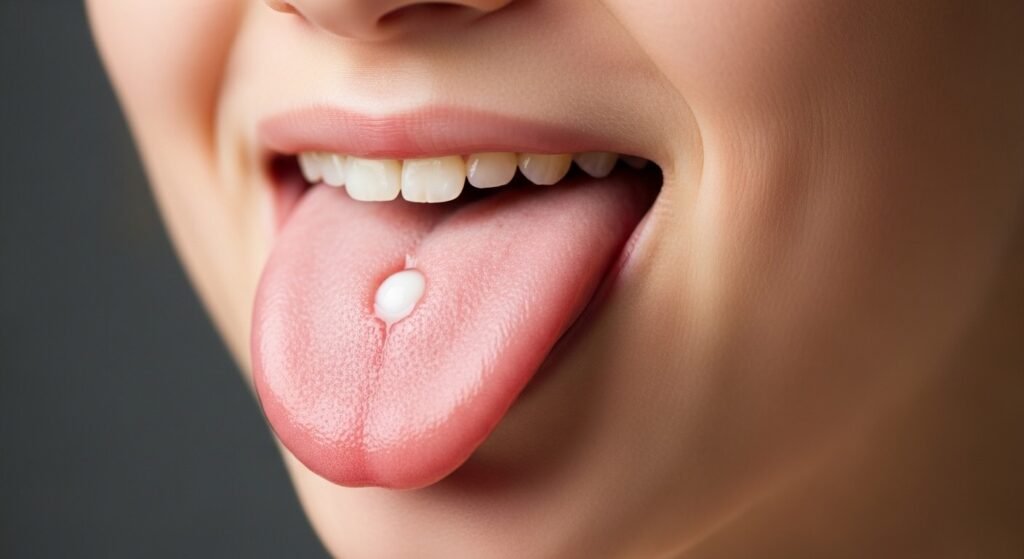
Noticing a white bump on tongue can be alarming. Many people worry that it could be an infection or even a serious health condition. The tongue plays an important role in taste, speech, and digestion, so any unusual bump or spot may cause concern. The good news is that in most cases, a white bump on the tongue is harmless and temporary, often caused by irritation, inflammation of taste buds, or minor oral infections.
Understanding the cause is the key to finding the right solution. Maintaining good oral hygiene, identifying possible triggers, and using simple home remedies can help reduce discomfort and speed up healing. In this guide, we will explore the causes, symptoms, diagnosis, and home remedies for a white bump on the tongue based on information commonly found in medical resources and oral health guides.
What Is a White Bump on the Tongue?
A white bump on tongue refers to a small raised spot or lesion that appears on the surface or side of the tongue. The tongue naturally contains tiny structures called papillae, which give it a rough texture and hold taste buds. These papillae can sometimes become swollen or irritated, causing noticeable bumps.
Sometimes these bumps appear white due to bacteria, food particles, dead cells, or fungal buildup trapped between the papillae.
White bumps may appear:
- On the top of the tongue
- On the sides of the tongue
- Near the back of the tongue
- As single bumps or clusters
Most of these bumps disappear within a few days without treatment.
Common Causes of White Bump on Tongue
Several factors can cause a white bump on the tongue. Some are harmless, while others may require medical attention.
1. Inflamed Taste Buds (Lie Bumps)
One of the most common causes is inflamed taste buds, also known as transient lingual papillitis or “lie bumps.” These occur when taste buds become irritated due to:
- spicy foods
- acidic foods
- tongue injury
- stress
These bumps are usually small, painful, and disappear within a few days.
2. Canker Sores
Canker sores are small ulcers that may appear on the tongue with a white or yellow center surrounded by redness. They can cause pain, especially when eating or drinking acidic foods.
Common triggers include:
- stress
- vitamin deficiencies
- mouth injuries
- certain foods
3. Oral Thrush
Oral thrush is a fungal infection caused by the Candida fungus. It often appears as white patches or bumps on the tongue, cheeks, and roof of the mouth.
Symptoms may include:
- creamy white lesions
- soreness in the mouth
- difficulty swallowing
- mild bleeding
This condition usually requires antifungal treatment.
4. Irritation or Injury
Physical irritation can cause white bumps on the tongue. This may happen due to:
- biting the tongue
- sharp edges of teeth
- dental appliances
- hot foods or drinks
When the tongue is injured, the body forms a protective bump while healing.
5. Poor Oral Hygiene
Poor oral hygiene can lead to the accumulation of bacteria, dead cells, and debris on the tongue, causing a white coating or bumps.
Brushing your tongue and maintaining proper dental hygiene can prevent this issue.
6. Leukoplakia
Leukoplakia is a condition that causes thick white patches inside the mouth, sometimes affecting the tongue. These patches may develop due to irritation or tobacco use.
Although many cases are harmless, persistent patches should be checked by a doctor because some may become precancerous.
7. Oral Lichen Planus
Oral lichen planus is a chronic inflammatory condition that can produce white lace-like patches or bumps in the mouth, including the tongue.
Symptoms may include:
- white patches
- burning sensation
- mouth soreness
8. Allergic Reactions
Sometimes a white bump on the tongue may appear after exposure to certain foods, toothpaste ingredients, or medications.
Common triggers include:
- spicy foods
- citrus fruits
- mouthwash chemicals
- dental products
9. Viral Infections
Certain viral infections can lead to bumps or sores on the tongue.
Examples include:
- herpes simplex virus
- scarlet fever
- syphilis
These infections may cause pain, fever, or other symptoms.
10. Oral Cancer (Rare)
In rare cases, a persistent white bump that does not heal could indicate oral cancer. Oral cancers may appear as flat or raised white lesions that gradually change in appearance.
Risk factors include:
- tobacco use
- heavy alcohol consumption
- HPV infection
If a bump lasts longer than two weeks, medical evaluation is recommended.
Symptoms Associated With White Bump on Tongue
The symptoms can vary depending on the underlying cause.
Common symptoms include:
- small white bump or patch
- pain or tenderness
- swelling of the tongue
- burning sensation
- difficulty eating spicy or acidic foods
In some cases, additional symptoms may appear such as fever, mouth sores, or bad breath.
Diagnosis of White Bump on Tongue
If a bump does not heal within two weeks, a dentist or doctor may perform several tests.
These may include:
- physical examination of the mouth
- medical history review
- bacterial or fungal culture test
- biopsy in rare cases
Doctors can usually diagnose the cause by visually examining the tongue.
Home Remedies for White Bump on Tongue
Many mild cases can be treated at home with simple remedies.
1. Salt Water Rinse
Salt water helps reduce inflammation and kill bacteria.
How to use:
- Mix 1 teaspoon salt in warm water
- Rinse your mouth twice daily
2. Baking Soda Rinse
Baking soda has antibacterial properties that help reduce irritation.
Mix baking soda with water and rinse your mouth to neutralize bacteria.
3. Honey
Honey contains natural antibacterial properties that help soothe mouth sores.
Apply a small amount directly to the bump several times a day.
4. Coconut Oil
Coconut oil has antifungal properties that may help reduce oral infections.
Oil pulling with coconut oil can support oral health.
5. Aloe Vera Gel
Aloe vera is known for its soothing properties. Applying aloe vera gel to the affected area may reduce inflammation.
Prevention Tips
Preventing white bumps on the tongue often involves maintaining good oral hygiene.
Follow these tips:
- brush teeth twice daily
- clean your tongue with a tongue scraper
- drink enough water
- avoid tobacco products
- limit spicy or acidic foods
- schedule regular dental checkups
Good oral hygiene can significantly reduce the risk of oral infections and irritation.
When to See a Doctor
Most white bumps heal within a few days. However, you should seek medical advice if you experience:
- bumps lasting more than two weeks
- severe pain or bleeding
- difficulty swallowing
- numbness in the tongue
- rapid growth of the bump
These symptoms may indicate an underlying health issue that requires treatment.
Conclusion
A white bump on tongue is a common oral health issue that can result from many causes, including inflamed taste buds, canker sores, infections, irritation, or poor oral hygiene. In most cases, these bumps are harmless and disappear on their own within a few days.
Maintaining good oral hygiene, avoiding irritating foods, and using simple home remedies like salt water rinses can help relieve symptoms. However, if a bump persists for more than two weeks or is accompanied by severe symptoms, consulting a healthcare professional is important.
Understanding the causes and treatments of white bumps on the tongue can help you take better care of your oral health and prevent future problems.
Frequently Asked Questions (FAQs)
1. What causes a white bump on tongue?
A white bump on tongue can be caused by inflamed taste buds, canker sores, oral thrush, irritation, poor oral hygiene, or minor infections. In most cases, it is harmless and disappears within a few days.
2. Is a white bump on tongue serious?
Usually, a white bump on the tongue is not serious. However, if the bump lasts more than two weeks, grows larger, or causes severe pain, it is recommended to consult a doctor.
3. How can I treat a white bump on tongue at home?
You can treat a white bump on tongue using simple home remedies such as salt water rinses, baking soda rinse, honey, aloe vera gel, and maintaining good oral hygiene.
4. Can stress cause white bumps on the tongue?
Yes, stress can sometimes cause inflamed taste buds or canker sores, which may appear as small white bumps on the tongue.
5. When should I see a doctor for a white bump on tongue?
You should see a doctor if the bump does not heal within two weeks, becomes painful, bleeds, or changes in size or color.
6. Can poor oral hygiene cause white bumps on the tongue?
Yes, poor oral hygiene can lead to bacteria buildup, infections, and irritation, which may cause white bumps or patches on the tongue.
7. Are white bumps on tongue contagious?
Most white bumps are not contagious, but infections like oral thrush or viral infections can spread through contact.
8. How can I prevent white bumps on the tongue?
You can prevent them by brushing teeth regularly, cleaning the tongue, staying hydrated, avoiding tobacco, and visiting the dentist regularly.
For reservations and additional information, visit: aspertaan.com