
Introduction
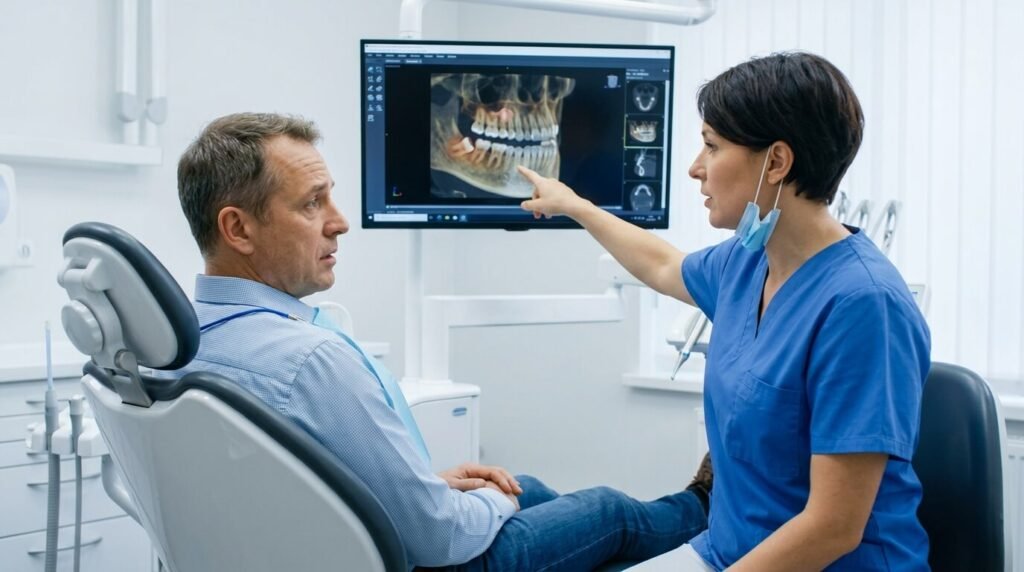
Many people experience dental problems that go beyond routine cleanings and fillings. Impacted wisdom teeth, jaw pain, facial injuries, missing teeth, and oral diseases often require specialized care that a general dentist cannot provide. This is where an oral surgeon plays a crucial role. Oral surgeons are highly trained dental specialists who diagnose complex oral and facial conditions, perform advanced surgical procedures, and help patients restore their oral health and quality of life. Whether you need wisdom tooth removal, dental implants, corrective jaw surgery, or treatment for oral pathology, understanding the role of an oral surgeon can help you make informed healthcare decisions.
What Is an Oral Surgeon?
An oral surgeon, also known as an oral and maxillofacial surgeon, is a dental specialist trained to diagnose and surgically treat diseases, injuries, and defects involving the mouth, teeth, jaws, face, and neck.
After completing dental school, oral surgeons undergo several additional years of hospital-based surgical training. This advanced education allows them to perform complex procedures that require specialized expertise and surgical skills.
Areas of Expertise
Oral surgeons commonly treat:
- Impacted wisdom teeth
- Missing teeth requiring implants
- Facial trauma
- Jaw disorders
- Oral cancer
- Cysts and tumors
- Sleep apnea
- Congenital facial abnormalities
When Should You See an Oral Surgeon?
Many patients are referred to an oral surgeon by their general dentist.
You may need to see an oral surgeon if you experience:
Impacted Wisdom Teeth
Wisdom teeth that cannot properly erupt can cause pain, infection, crowding, and damage to nearby teeth.
Missing Teeth
Dental implants often require oral surgical procedures to create a stable foundation for replacement teeth.
Jaw Pain and TMJ Disorders
Persistent jaw discomfort may indicate structural problems requiring specialized treatment.
Facial Trauma
Accidents resulting in facial fractures or dental injuries often require surgical intervention.
Oral Lesions
Unusual lumps, sores, or tissue changes may need biopsy and evaluation.
Education and Training of an Oral Surgeon
Oral surgeons undergo extensive training that typically includes:
- Four years of dental school
- Four to six years of surgical residency
- Hospital-based surgical experience
- Training in anesthesia administration
- Emergency medicine exposure
This education enables oral surgeons to safely manage both routine and complex procedures.
Common Conditions Diagnosed by an Oral Surgeon
Impacted Teeth
Teeth trapped beneath the gum line can lead to infection and pain.
Jaw Misalignment
Structural jaw issues can affect chewing, speaking, and breathing.
Oral Pathology
Oral surgeons diagnose abnormal tissue growths, cysts, and tumors.
Facial Injuries
Traumatic injuries affecting facial bones and soft tissues often require surgical repair.
Sleep-Related Breathing Disorders
Certain cases of obstructive sleep apnea may benefit from surgical treatment.
Diagnostic Procedures Used by Oral Surgeons
Accurate diagnosis is the foundation of successful treatment.
Comprehensive Examination
The oral surgeon reviews medical history and performs a detailed examination.
Digital X-Rays
Advanced imaging helps identify hidden dental and bone conditions.
CT Scans
Three-dimensional imaging provides detailed views of facial structures.
Biopsy
Suspicious tissue samples may be collected for laboratory analysis.
Functional Assessment
Jaw movement, bite alignment, and airway function may also be evaluated.
Wisdom Tooth Removal
One of the most common oral surgery procedures is wisdom tooth extraction.
Why Wisdom Teeth Need Removal
Problems include:
- Impaction
- Infection
- Tooth crowding
- Gum disease
- Tooth decay
Procedure Overview
The oral surgeon administers anesthesia and carefully removes the affected teeth.
Recovery
Most patients recover within one to two weeks with proper care.
Dental Implants
Dental implants are considered one of the most effective solutions for tooth replacement.
Benefits of Dental Implants
- Natural appearance
- Improved chewing ability
- Long-term durability
- Bone preservation
- Enhanced confidence
Implant Placement Process
- Initial consultation
- Treatment planning
- Implant placement surgery
- Healing period
- Crown placement
Bone Grafting
Some patients require bone grafting before implant placement.
Corrective Jaw Surgery
Corrective jaw surgery, also called orthognathic surgery, addresses jaw abnormalities.
Conditions Treated
- Bite problems
- Jaw asymmetry
- Speech difficulties
- Breathing issues
- Facial imbalance
Benefits
Patients often experience improved:
- Function
- Appearance
- Speech
- Breathing
- Comfort
Treatment of Facial Trauma
Facial trauma can result from:
- Sports injuries
- Falls
- Motor vehicle accidents
- Workplace accidents
Common Injuries
- Broken jaws
- Facial fractures
- Knocked-out teeth
- Soft tissue injuries
Prompt surgical treatment helps restore appearance and function.
Oral Pathology and Biopsy Services
Early diagnosis is critical for oral diseases.
Signs Requiring Evaluation
- Persistent mouth sores
- White patches
- Red patches
- Lumps
- Unexplained swelling
Biopsy Procedures
Oral surgeons collect tissue samples to identify abnormal conditions and determine appropriate treatment.
Treatment for Temporomandibular Joint Disorders (TMJ)
TMJ disorders affect the jaw joint and surrounding muscles.
Symptoms
- Jaw pain
- Clicking sounds
- Difficulty chewing
- Headaches
- Limited jaw movement
Treatment Options
- Medications
- Oral appliances
- Physical therapy
- Surgical intervention when necessary
Oral Surgeon and Sleep Apnea Treatment
Some patients with obstructive sleep apnea may benefit from oral surgical procedures.
Surgical Options
- Jaw advancement surgery
- Airway reconstruction procedures
- Soft tissue modification
These treatments can improve airflow and reduce breathing interruptions during sleep.
Sedation and Anesthesia in Oral Surgery
Patient comfort is a priority.
Types of Anesthesia
Local Anesthesia
Numbs a specific area.
IV Sedation
Provides deep relaxation.
General Anesthesia
Allows patients to sleep through complex procedures.
Oral surgeons receive specialized anesthesia training to ensure patient safety.
What to Expect During Recovery
Recovery varies depending on the procedure.
General Recovery Tips
- Follow post-operative instructions
- Take prescribed medications
- Avoid smoking
- Stay hydrated
- Eat soft foods
- Maintain oral hygiene
Warning Signs
Contact your surgeon if you experience:
- Excessive bleeding
- Severe pain
- Fever
- Difficulty breathing
- Signs of infection
Choosing the Right Oral Surgeon
Selecting a qualified professional is essential.
Factors to Consider
- Board certification
- Experience
- Patient reviews
- Technology used
- Communication style
- Emergency care availability
Questions to Ask
- How many similar procedures have you performed?
- What are the risks?
- What recovery can I expect?
- What sedation options are available?
Risks and Complications of Oral Surgery
Although oral surgery is generally safe, potential risks include:
- Infection
- Bleeding
- Swelling
- Nerve injury
- Delayed healing
- Anesthesia complications
Following your surgeon’s instructions can significantly reduce these risks.
Frequently Asked Questions
Is oral surgery painful?
Modern anesthesia and pain management techniques help minimize discomfort.
How long does recovery take?
Recovery depends on the procedure but often ranges from a few days to several weeks.
Are dental implants permanent?
Dental implants can last for decades with proper care.
Do oral surgeons perform cosmetic procedures?
Some oral surgeons perform facial cosmetic and reconstructive procedures.
Conclusion
An oral surgeon plays a vital role in diagnosing and treating complex dental, oral, and facial conditions that require advanced surgical expertise. From wisdom tooth removal and dental implants to jaw correction, facial trauma repair, and oral pathology treatment, these specialists help patients achieve better oral health, improved function, and enhanced quality of life. Understanding when to seek care, what treatment options are available, and how to choose the right oral surgeon can empower patients to make confident healthcare decisions. With modern technology, advanced surgical techniques, and personalized patient care, oral surgeons continue to provide safe and effective solutions for a wide range of oral health challenges.