
Introduction
Many residents in the Bay Area struggle with limited access to affordable, timely, and quality healthcare due to rising costs, insurance barriers, and clinic shortages. This leads to untreated chronic conditions, delayed diagnoses, and worsening health outcomes. Bay Area Community Health addresses this issue by providing affordable, inclusive, and patient-centered healthcare services designed for underserved and low-income communities, ensuring that everyone receives the care they need regardless of financial or social barriers.
What is Bay Area Community Health?
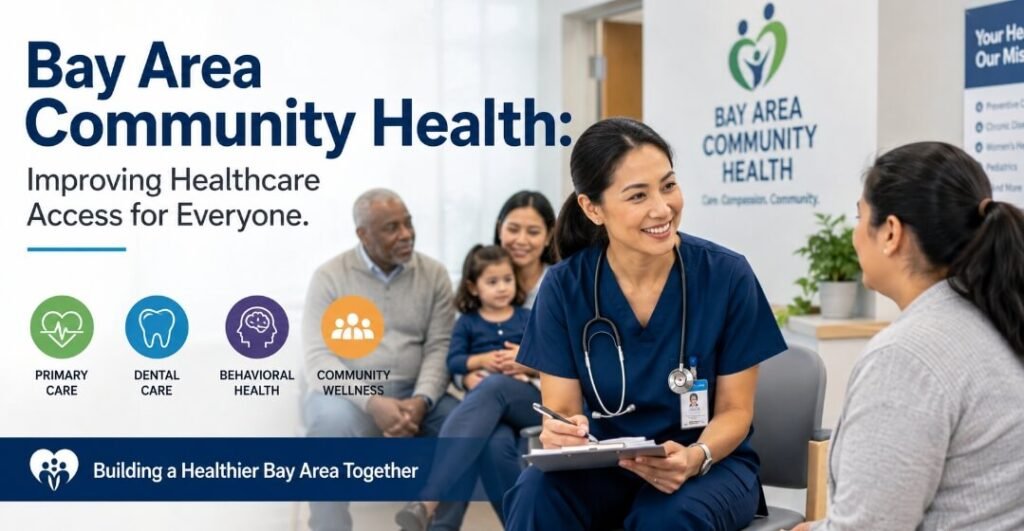
Bay Area Community Health (BACH) is a network of community-based healthcare services focused on delivering primary care, preventive care, dental services, behavioral health, and chronic disease management. It primarily serves low-income families, uninsured individuals, and underserved populations across the Bay Area.
The organization operates with a mission to improve health equity by reducing barriers such as cost, transportation, and lack of insurance coverage.
Core Mission:
- Provide affordable healthcare access
- Promote preventive health education
- Improve community wellness outcomes
- Deliver culturally competent care
Why Bay Area Community Health is Important
Healthcare inequality is a major issue in California, especially in high-cost regions like the Bay Area. Many individuals delay treatment due to financial limitations or lack of insurance coverage.
Bay Area Community Health plays a critical role by:
- Reducing emergency room dependency
- Offering low-cost or sliding-scale services
- Expanding access to preventive care
- Supporting vulnerable populations including immigrants and seniors
This helps reduce long-term healthcare costs and improves overall public health outcomes.
Key Services Offered by Bay Area Community Health
Bay Area Community Health provides a wide range of essential healthcare services designed to support individuals and families.
1. Primary Healthcare Services
Patients receive routine checkups, diagnosis, and treatment for common illnesses and chronic conditions such as diabetes, hypertension, and asthma.
2. Dental Care Services
Oral health is a major component of overall well-being. Services include:
- Cleanings
- Fillings
- Preventive dental care
- Oral health education
3. Behavioral Health Services
Mental health support includes:
- Counseling
- Therapy sessions
- Substance abuse treatment support
- Psychiatric evaluations
4. Pediatric Care
Children receive vaccinations, growth monitoring, and preventive care to ensure healthy development.
5. Women’s Health Services
Includes:
- Prenatal care
- Family planning
- Gynecological exams
- Reproductive health education
6. Chronic Disease Management
Support programs for managing long-term conditions like:
- Diabetes
- Heart disease
- High blood pressure
Challenges in Healthcare Access in the Bay Area
Despite being one of the most developed regions in the United States, the Bay Area still faces serious healthcare access challenges.
1. High Cost of Medical Care
Medical consultations, insurance premiums, and treatments are expensive, making healthcare inaccessible for many families.
2. Insurance Barriers
Not all residents qualify for public insurance programs, leaving gaps in coverage.
3. Provider Shortages
There is a shortage of primary care physicians in underserved neighborhoods.
4. Language and Cultural Barriers
Diverse populations sometimes struggle with communication in healthcare settings.
5. Transportation Issues
Patients in remote or underserved areas often lack reliable transport to clinics.
How Bay Area Community Health Solves These Problems
Bay Area Community Health is designed to directly address these barriers through community-focused solutions.
Sliding Fee Scale
Patients pay based on income, ensuring affordability for low-income families.
Community Clinics
Multiple clinic locations increase accessibility across regions.
Multilingual Staff
Healthcare providers speak multiple languages to serve diverse populations effectively.
Preventive Care Focus
Emphasis on early detection reduces long-term treatment costs.
Integrated Care Model
Physical, dental, and mental health services are combined for better coordination.
Impact on Community Health Outcomes
The presence of Bay Area Community Health has significantly improved public health indicators in underserved communities.
Positive Outcomes Include:
- Increased vaccination rates
- Better chronic disease control
- Reduced emergency room visits
- Improved maternal and child health
- Higher preventive screening rates
These improvements demonstrate the importance of accessible community healthcare systems.
Preventive Care and Education Programs
Preventive healthcare is a major focus area. Education programs include:
- Nutrition awareness workshops
- Diabetes prevention programs
- Smoking cessation support
- Mental health awareness campaigns
- Health literacy programs
These initiatives empower individuals to take control of their health before serious conditions develop.
Role of Technology in Community Healthcare
Modern healthcare delivery at Bay Area Community Health also integrates technology.
Digital Health Improvements:
- Electronic health records (EHRs)
- Telehealth consultations
- Online appointment scheduling
- Remote patient monitoring
These tools improve efficiency and reduce waiting times, especially for follow-up care.
Who Can Benefit from Bay Area Community Health?
This healthcare system is designed for:
- Low-income families
- Uninsured individuals
- Immigrant communities
- Elderly patients
- Children needing preventive care
- Patients with chronic conditions
It ensures healthcare equity regardless of financial status or background.
Importance of Community-Based Healthcare Models
Community healthcare models like Bay Area Community Health are essential because they:
- Reduce health disparities
- Improve early diagnosis rates
- Lower national healthcare costs
- Increase trust in healthcare systems
- Strengthen local public health infrastructure
Such models are now being widely adopted across the United States.
Future of Bay Area Community Health
The future of community healthcare is expected to focus on:
- Expanded telehealth services
- More clinic locations in underserved areas
- Increased funding for preventive programs
- Stronger mental health integration
- Enhanced digital healthcare tools
These improvements will further strengthen healthcare accessibility in the region.
Conclusion
Bay Area Community Health plays a vital role in improving healthcare access for underserved populations across the Bay Area. By offering affordable services, culturally competent care, and a strong focus on prevention, it addresses critical healthcare gaps that affect thousands of families. As healthcare challenges continue to grow, community-based healthcare models like this remain essential in building a healthier, more equitable society where everyone has the opportunity to receive quality medical care regardless of income or background.
For reservations and additional information, visit : aspertaan.com