
Introduction
A chipped tooth can happen suddenly and cause pain, sensitivity, and concerns about your smile. Even a small chip may become worse if it is ignored. The good news is that modern dental treatments can repair most damaged teeth and restore both appearance and function. Understanding the causes, symptoms, treatment options, and prevention methods can help you protect your oral health and avoid future problems.
What Is a Chipped Tooth?
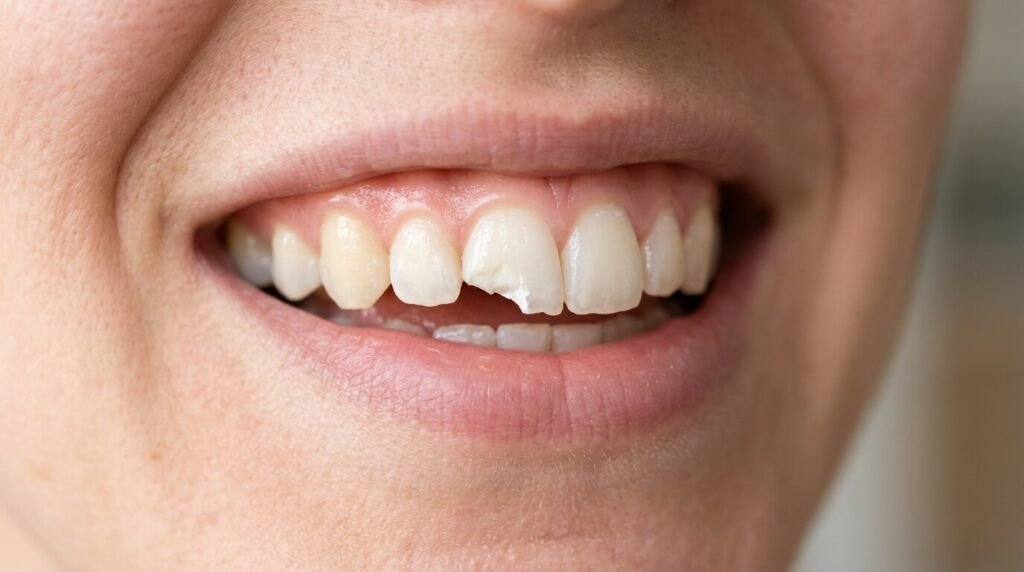
A chipped tooth occurs when a small or large piece of the tooth’s outer enamel breaks off. The damage may affect only the enamel or extend deeper into the dentin and pulp. While some chips are minor and painless, severe damage can expose nerves and lead to infection.
Front teeth are commonly affected because they are more exposed to injuries. However, molars and back teeth can also chip when biting hard foods.
Chipped Tooth vs. Cracked Tooth
Although these terms are often used interchangeably, they are different.
Chipped Tooth
- A piece of the tooth breaks away.
- Usually visible.
- May or may not cause pain.
Cracked Tooth
- The tooth remains intact but develops a fracture line.
- Pain often occurs while chewing.
- Cracks can worsen over time and may reach the root.
A dentist can determine which condition you have and recommend the proper treatment.
Common Causes of a Chipped Tooth
Many situations can lead to tooth damage.
Biting Hard Foods
Chewing ice, hard candy, nuts, or popcorn kernels can create enough pressure to break enamel.
Sports Injuries
Contact sports such as football, basketball, and boxing increase the risk of dental trauma.
Accidents and Falls
Vehicle accidents, falls, and facial injuries frequently cause tooth fractures.
Teeth Grinding (Bruxism)
Constant grinding wears down enamel and weakens teeth.
Using Teeth as Tools
Opening packages or bottle caps with your teeth can cause chips.
Tooth Decay
Cavities weaken tooth structure and make teeth easier to break.
Aging
Enamel naturally becomes thinner over time, increasing susceptibility to fractures.
Risk Factors
Several factors make people more likely to experience a chipped tooth.
- Poor oral hygiene
- Acid reflux disease
- Excessive consumption of acidic foods
- Frequent sugary drinks
- Teeth grinding
- Previous dental fillings
- Older age
- Participation in contact sports without mouthguards
Symptoms of a Chipped Tooth
Symptoms vary depending on the severity of the damage.
Visible Damage
You may notice a missing piece or rough edge.
Tooth Sensitivity
Hot, cold, or sweet foods may trigger discomfort.
Pain While Chewing
Pressure on the damaged area may produce sharp pain.
Tongue Irritation
A jagged surface can cut or irritate soft tissues.
Swelling
In severe cases, surrounding gums may become swollen.
Temperature Sensitivity
Exposed dentin often reacts strongly to hot and cold foods.
Some minor chips produce no symptoms at all.
When Should You See a Dentist?
You should schedule a dental appointment as soon as possible after discovering a chipped tooth.
Seek immediate dental care if you experience:
- Severe pain
- Bleeding
- Swelling
- Fever
- Difficulty chewing
- Sensitivity that worsens
- A large piece of tooth missing
Prompt treatment helps prevent infection and further damage.
What to Do Immediately After Chipping a Tooth
Before visiting your dentist, you can take several steps to protect your mouth.
Rinse Your Mouth
Warm water helps remove debris.
Save the Broken Fragment
Place it in milk or saline solution if possible.
Stop Bleeding
Apply gentle pressure with gauze.
Use a Cold Compress
Ice reduces swelling and discomfort.
Avoid Hard Foods
Chew on the opposite side of your mouth.
Cover Sharp Edges
Dental wax or sugar-free gum can protect your tongue.
Take Pain Medication
Over-the-counter pain relievers may help manage discomfort.
Avoid trying to glue the tooth yourself.
How Dentists Diagnose a Chipped Tooth
Dentists perform several evaluations:
Visual Examination
They inspect the damaged area carefully.
Dental X-rays
Images reveal deeper fractures and root involvement.
Bite Testing
Pain during biting may indicate cracks.
Sensitivity Tests
Temperature and pressure tests help identify nerve involvement.
Early diagnosis prevents complications and improves outcomes.
Treatment Options for a Chipped Tooth
Treatment depends on the size and location of the damage.
Polishing and Smoothing
Small chips may only require reshaping rough edges.
Benefits
- Quick procedure
- No anesthesia required
- Affordable
Dental Bonding
Composite resin fills the missing area and restores appearance.
Advantages
- Matches natural tooth color
- Minimally invasive
- Usually completed in one visit
Bonding is commonly used for front teeth.
Dental Fillings
Back teeth with minor fractures often receive fillings.
Materials Include
- Composite resin
- Porcelain
- Glass ionomer
Fillings restore strength and function.
Dental Veneers
Porcelain veneers cover the front surface of teeth.
Benefits
- Natural appearance
- Long-lasting results
- Resistant to stains
They are often used for cosmetic repairs.
Dental Crowns
Large chips may require crowns.
A crown covers the entire tooth and provides protection.
Materials Used
- Porcelain
- Ceramic
- Zirconia
- Metal alloys
Crowns improve both strength and appearance.
Root Canal Therapy
If the nerve becomes exposed or infected, root canal treatment removes damaged tissue.
After treatment, a crown is usually placed to protect the tooth.
Tooth Extraction
Extraction is the last option when damage is too severe for restoration.
Missing teeth can later be replaced with:
- Dental implants
- Bridges
- Dentures
Can a Chipped Tooth Heal on Its Own?
Unlike bones, enamel does not regenerate.
A chipped tooth cannot repair itself naturally. Small chips may not require major treatment, but professional evaluation is still recommended to prevent future problems.
Complications of Ignoring a Chipped Tooth
Delaying treatment can result in:
Tooth Infection
Bacteria may enter exposed tissues.
Increased Sensitivity
Symptoms often worsen over time.
Larger Fractures
The crack may spread deeper.
Tooth Loss
Severe damage may require extraction.
Abscess Formation
Untreated infection can spread to surrounding tissues.
Early treatment reduces these risks.
How Much Does Chipped Tooth Repair Cost?
Costs vary depending on treatment.
| Procedure | Typical Cost |
| Smoothing and polishing | Low |
| Bonding | Moderate |
| Filling | Moderate |
| Veneers | Higher |
| Crowns | High |
| Root canal with crown | Highest |
Dental insurance may cover part of the expense, especially if the damage affects function.
Preventing a Chipped Tooth
Prevention is easier and less expensive than treatment.
Wear Mouthguards
Protective mouthguards reduce sports injuries.
Avoid Chewing Hard Objects
Stay away from:
- Ice cubes
- Hard candies
- Pens
- Bottle caps
Treat Teeth Grinding
Night guards can protect enamel from excessive wear.
Maintain Good Oral Hygiene
Brush twice daily and floss regularly.
Visit Your Dentist Regularly
Routine checkups help detect weak areas before fractures occur.
Reduce Acidic Foods
Limit soda, citrus drinks, and sugary snacks.
Strengthen Teeth With Fluoride
Fluoride toothpaste supports enamel health.
Can Children Get a Chipped Tooth?
Yes. Children frequently chip teeth because of falls, sports activities, and playground accidents.
Parents should seek dental care promptly because damaged baby teeth can affect the development of permanent teeth.
Frequently Asked Questions
Is a Chipped Tooth a Dental Emergency?
Minor chips are usually not emergencies, but severe pain, bleeding, or exposed nerves require immediate care.
Can I Eat With a Chipped Tooth?
Soft foods are safest until treatment. Avoid chewing on the damaged side.
Can a Chipped Front Tooth Be Fixed?
Yes. Bonding, veneers, and crowns provide excellent cosmetic results.
Is Repair Painful?
Most procedures involve little discomfort and local anesthesia if necessary.
How Long Do Repairs Last?
With proper care, restorations can last many years.
Conclusion
A chipped tooth is one of the most common dental problems, but it should never be ignored. Even minor damage can progress and lead to pain, infection, and costly treatments. Fortunately, modern dentistry offers effective solutions ranging from simple bonding to crowns and root canal therapy. Practicing good oral hygiene, wearing mouthguards, and avoiding hard foods can greatly reduce the risk of future tooth damage. Seeking prompt dental care ensures that your smile remains healthy, functional, and attractive for years to come.