
Introduction
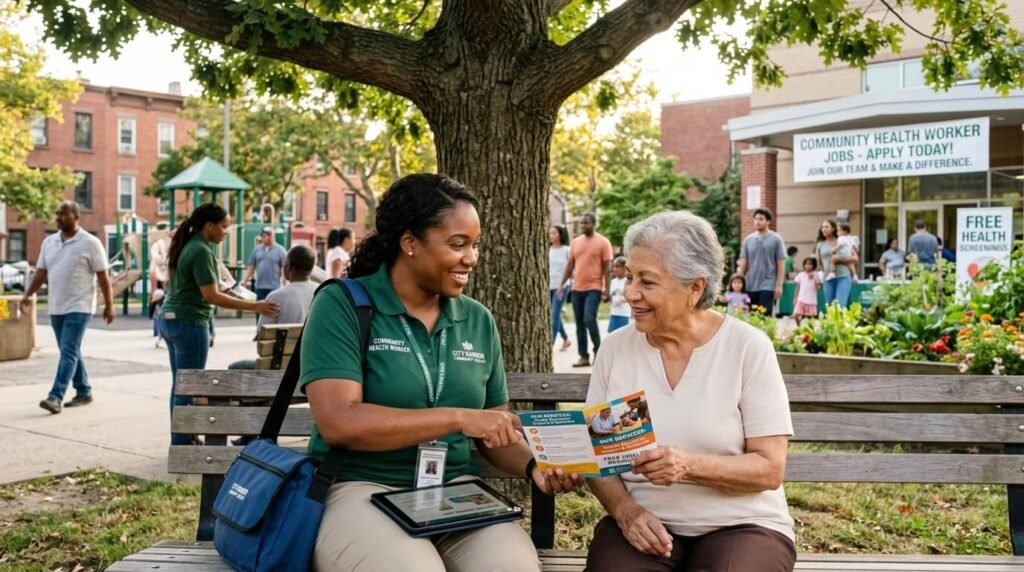
Finding a meaningful healthcare career without spending many years in medical school can feel challenging. Many people want a job that allows them to help others, earn a stable income, and make a real difference in their communities. The good news is that community health worker jobs offer exactly that opportunity. Community health workers act as a bridge between healthcare providers and local communities, helping people access medical services, health education, and social support. With strong job growth, increasing demand, and relatively low educational barriers, this career has become one of the fastest-growing public health professions in 2026.
What Are Community Health Worker Jobs?
Community health workers (CHWs) are public health professionals who help individuals and families access healthcare services, health education, and community resources. They often work directly with underserved populations and help people overcome barriers to healthcare access.
Unlike nurses or doctors, CHWs focus primarily on education, outreach, advocacy, and connecting people with the resources they need. Their role is essential in improving public health outcomes and reducing healthcare disparities.
What Does a Community Health Worker Do?
The daily responsibilities of a community health worker can vary depending on the employer and community needs. However, common duties include:
- Educating individuals about health and wellness
- Conducting community outreach programs
- Helping people access healthcare services
- Assisting with appointment scheduling
- Providing health screenings
- Connecting clients with social services
- Supporting chronic disease management
- Advocating for patients and families
- Collecting community health data
- Conducting home visits and follow-ups
Community health workers frequently serve as trusted members of the communities they support, making healthcare information more accessible and culturally relevant.
Community Health Worker Job Description
A typical community health worker job description includes helping individuals improve their health through education, advocacy, and access to resources. Employers often seek candidates who can communicate effectively, build relationships, and understand the cultural needs of diverse populations.
Many CHWs work with:
- Hospitals
- Clinics
- Public health departments
- Nonprofit organizations
- Community health centers
- Government agencies
- Social service organizations
Their goal is to improve community health while reducing barriers to care.
Community Health Worker Salary in 2026
Salary is one of the most important factors for anyone considering a new career.
According to the latest labor market data, the median annual wage for community health workers is approximately $51,030 per year, or about $24.54 per hour. Actual earnings can vary depending on location, experience, certifications, and employer type.
Average Salary by Experience Level
| Experience Level | Estimated Salary |
| Entry-Level | $35,000–$45,000 |
| Mid-Level | $45,000–$60,000 |
| Experienced | $60,000–$75,000+ |
Healthcare organizations, government agencies, and specialized programs often offer higher salaries and better benefits packages.
Job Outlook for Community Health Workers
The future looks promising for this profession.
Employment of community health workers is projected to grow by 11% between 2024 and 2034, which is significantly faster than the average growth rate for most occupations. Around 7,800 job openings are expected annually over the next decade.
Several factors are driving this demand:
- Growing focus on preventive healthcare
- Rising chronic disease rates
- Increased healthcare accessibility initiatives
- Expansion of public health programs
- Greater need for culturally competent care
As healthcare systems focus more on community-based services, demand for skilled CHWs is expected to continue rising.
How to Become a Community Health Worker
Many people are attracted to this career because the educational requirements are more accessible than many healthcare professions.
Step 1: Earn a High School Diploma
Most positions require at least a high school diploma or equivalent.
Step 2: Complete Relevant Training
Many employers provide on-the-job training. Some candidates also complete certificate programs in community health or public health.
Step 3: Gain Community Experience
Volunteer work, outreach programs, and public service experience can strengthen your qualifications.
Step 4: Obtain Certification
Certain states and employers require certification. Requirements vary depending on location.
Step 5: Apply for Entry-Level Positions
Many candidates begin in hospitals, clinics, nonprofits, or community organizations before advancing to leadership roles.
Skills Needed for Community Health Worker Jobs
Success in this field requires both technical and interpersonal skills.
Communication Skills
CHWs must clearly explain health information to people from diverse backgrounds.
Cultural Competence
Understanding local customs and community values helps build trust.
Problem-Solving Skills
Many clients face complex healthcare and social challenges that require creative solutions.
Empathy
Being compassionate and understanding is essential when working with vulnerable populations.
Organizational Skills
Managing appointments, records, and outreach activities requires strong organization.
Where Community Health Workers Work
Community health workers are employed in various healthcare and community settings.
Common workplaces include:
- Hospitals
- Public health agencies
- Community clinics
- Schools
- Nonprofit organizations
- Faith-based organizations
- Government programs
- Social service agencies
Some positions involve office work, while others require travel and direct interaction with community members.
Benefits of Working as a Community Health Worker
Many professionals choose this field because of its positive social impact.
Meaningful Work
CHWs directly improve lives by helping people access healthcare and support services.
Growing Demand
Strong employment growth creates more job opportunities. (
Flexible Career Path
Experience can lead to careers in public health, nursing, social work, healthcare administration, and health education.
Accessible Entry Requirements
Many positions do not require advanced degrees.
Challenges of Community Health Worker Jobs
Like any profession, this career has challenges.
Emotional Stress
CHWs often work with individuals facing serious health, financial, or social difficulties. Community discussions frequently highlight the emotional demands of supporting vulnerable populations.
Resource Limitations
Workers sometimes encounter situations where community resources are limited.
Large Caseloads
Managing multiple clients and programs can be demanding, particularly in busy healthcare systems.
Despite these challenges, many professionals find the work highly rewarding because of the positive impact they make.
Community Health Worker Certifications
Certification requirements vary by state and employer.
Popular certification areas include:
- Community Health Worker Certification
- Public Health Education
- Patient Navigation
- Health Coaching
- Disease Prevention Programs
Certification can improve employment opportunities and increase earning potential.
Career Advancement Opportunities
After gaining experience, community health workers can advance into roles such as:
- Program Coordinator
- Community Outreach Manager
- Health Educator
- Public Health Specialist
- Case Manager
- Patient Navigator
- Social Services Manager
Some professionals pursue additional education and transition into nursing, social work, or public health leadership positions.
How to Find Community Health Worker Jobs
If you are ready to begin your career, consider these strategies:
Search Healthcare Employers
Check hospitals, clinics, and community health centers regularly.
Explore Government Opportunities
Many public health departments hire CHWs for outreach initiatives.
Use Job Boards
Popular healthcare job boards frequently list new openings.
Network with Public Health Professionals
Attending community events and healthcare conferences can help uncover opportunities.
Gain Volunteer Experience
Volunteer work demonstrates commitment and builds valuable experience.
Frequently Asked Questions
Are Community Health Worker Jobs in Demand?
Yes. Employment is projected to grow 11%, which is faster than average for most occupations.
Do Community Health Workers Need a Degree?
Many positions require only a high school diploma and training, although some employers prefer additional education.
Can Community Health Workers Work Remotely?
Some administrative and outreach tasks may be performed remotely, but many positions require community interaction and fieldwork.
Is Certification Required?
Certification requirements depend on the state and employer.
What Is the Average Salary for Community Health Workers?
The median annual salary is approximately $51,030.
Conclusion
Community health worker jobs offer an excellent opportunity for individuals who want to improve public health while building a stable and rewarding career. These professionals play a critical role in connecting communities with healthcare services, providing education, and supporting vulnerable populations. With strong job growth, competitive salaries, accessible training pathways, and opportunities for advancement, this profession remains one of the most promising public health careers in 2026. Whether you are entering the workforce, changing careers, or looking for a meaningful healthcare role, becoming a community health worker can be a valuable and impactful choice.