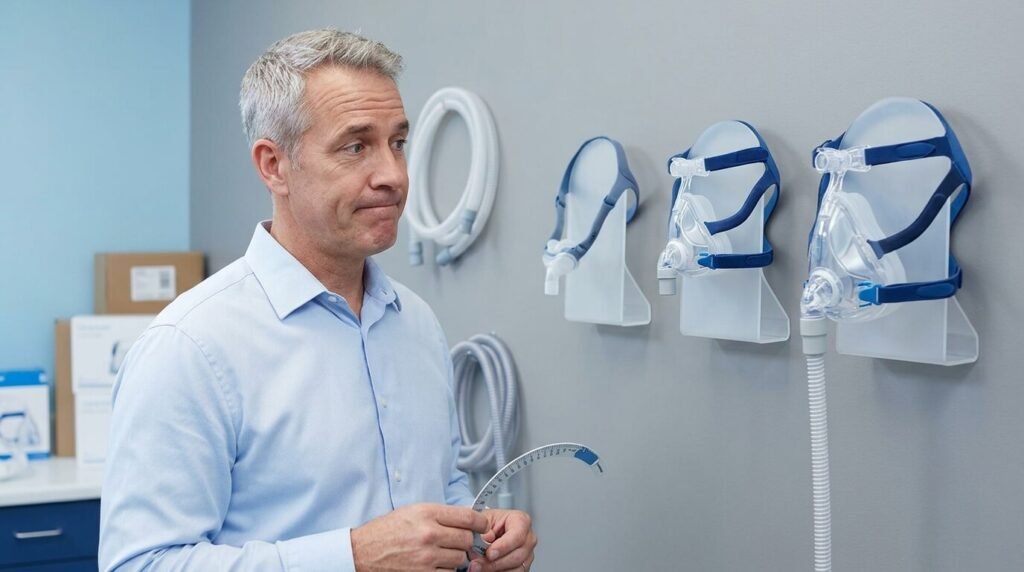

Introduction
Many people are diagnosed with sleep apnea every year, but starting CPAP therapy can feel confusing. One of the biggest challenges is choosing the right mask. Wearing the wrong mask may cause air leaks, discomfort, dry mouth, or poor sleep, making it difficult to continue treatment. The good news is that there are different cpap masks designed to suit different sleeping styles, breathing habits, and comfort needs. This beginner’s guide explains everything you need to know so you can choose the right mask, use it correctly, and enjoy better sleep.
What Are CPAP Masks?
CPAP stands for Continuous Positive Airway Pressure. A CPAP machine gently pushes air through a mask to keep your airway open while you sleep. This helps prevent breathing pauses caused by obstructive sleep apnea.
The mask is one of the most important parts of CPAP therapy. Even the best CPAP machine cannot work properly if the mask does not fit well.
Modern masks are designed to be lighter, quieter, and more comfortable than older models. Many include soft silicone cushions, adjustable straps, and quick-release clips for easy use.
How Do CPAP Masks Work?
A CPAP machine delivers a steady stream of pressurized air through a hose connected to the mask.
The mask creates a seal around your nose, mouth, or both. This continuous airflow keeps your throat muscles from collapsing while you sleep.
As a result, CPAP therapy can:
- Keep your airway open
- Reduce snoring
- Improve oxygen levels
- Prevent interrupted breathing
- Help you sleep more deeply
- Reduce daytime tiredness
- Improve concentration and mood
Using the right mask consistently is one of the biggest factors in successful CPAP treatment.
Why Choosing the Right CPAP Mask Matters
Not every mask works for every person.
A mask that fits one person perfectly may be uncomfortable for someone else. An incorrect fit may lead to:
- Air leaks
- Skin irritation
- Pressure marks
- Dry eyes
- Dry mouth
- Frequent waking during sleep
- Poor treatment results
Choosing the correct mask increases comfort and makes it easier to wear your CPAP machine every night.
Types of CPAP Masks
There are three main categories of masks. Each has its own advantages.
1. Nasal Masks
Nasal masks cover only the nose.
They are one of the most popular choices because they provide a secure seal while remaining relatively lightweight.
Best For
- People who breathe through the nose
- Side sleepers
- Active sleepers
- Most first-time CPAP users
Advantages
- Comfortable fit
- Less bulky
- Good air pressure delivery
- Suitable for many pressure settings
Disadvantages
- Not ideal for mouth breathers
- Nasal congestion may reduce comfort
2. Nasal Pillow Masks
Nasal pillow masks use two small silicone cushions that rest at the nostrils.
They are the smallest and lightest CPAP masks available.
Best For
- People who feel claustrophobic
- Those who wear glasses
- People with facial hair
- Stomach sleepers
- Users who prefer minimal contact
Advantages
- Very lightweight
- Open field of vision
- Minimal facial contact
- Easy to travel with
Disadvantages
- May not suit very high pressure settings
- Can cause nostril irritation during the adjustment period
3. Full Face Masks
Full face masks cover both the nose and mouth.
They are recommended for people who breathe through their mouth during sleep.
Best For
- Mouth breathers
- People with chronic nasal blockage
- High-pressure CPAP users
- People with allergies or frequent congestion
Advantages
- Delivers therapy through both nose and mouth
- Effective for higher air pressures
- Useful during colds or allergies
Disadvantages
- Larger than other mask types
- Slightly heavier
- Greater chance of air leaks if not fitted correctly
Which CPAP Mask Is Best for Beginners?
Most beginners start with either a nasal mask or a nasal pillow mask because they are comfortable and easy to adjust.
However, if you often sleep with your mouth open or have ongoing nasal blockage, a full face mask may provide better results.
Your sleep specialist can help determine the best option based on:
- Your sleeping position
- Breathing habits
- Facial shape
- CPAP pressure level
- Personal comfort
Remember that finding the right mask sometimes requires trying more than one style. A comfortable mask makes it much easier to continue CPAP therapy every night.
Key Features to Look For
When comparing masks, consider these features:
Soft Cushion
A soft silicone or memory-foam cushion helps reduce pressure on the face while creating a secure seal.
Adjustable Headgear
Adjustable straps allow you to customize the fit without making the mask too tight.
Quiet Ventilation
Modern masks are designed with quiet air vents that reduce noise while sleeping.
Easy Cleaning
Choose a design that can be taken apart quickly for daily cleaning.
Lightweight Design
A lighter mask often feels more comfortable, especially for new users.
Common Signs Your Mask Doesn’t Fit Properly
Watch for these warning signs:
- Air leaking around the edges
- Red marks lasting several hours
- Frequent adjustments during the night
- Dry eyes
- Waking up often
- Loud whistling sounds
- Poor sleep quality despite CPAP therapy
If you notice these issues, your mask may need adjustment or replacement.