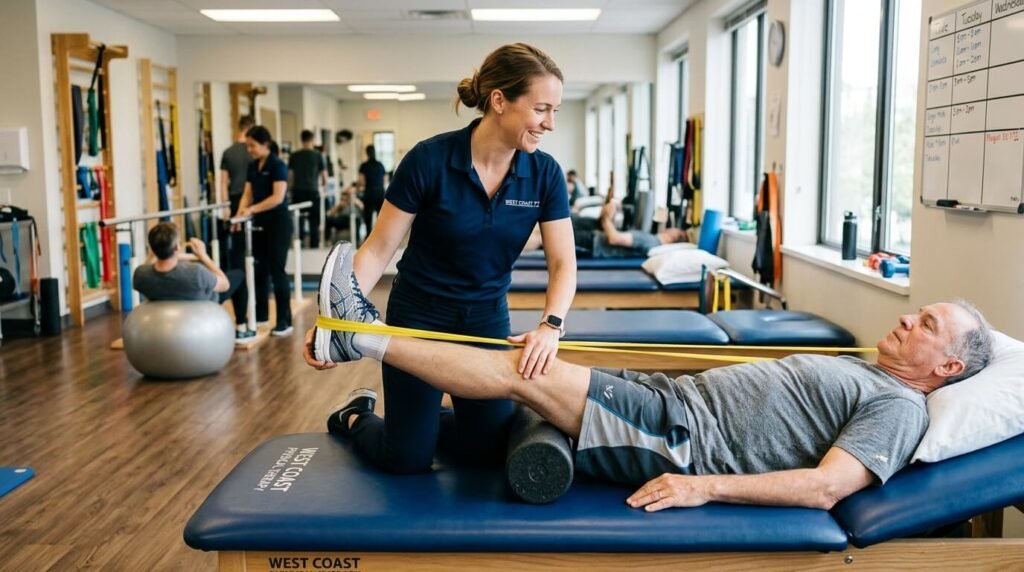

Living with body pain, muscle stiffness, joint discomfort, or limited movement can make daily life difficult. Many people struggle to walk comfortably, work without pain, or recover properly after an injury or surgery. Ignoring these problems often leads to worse mobility and long-term discomfort. The good news is that physical therapy offers a safe and effective solution that helps improve movement, reduce pain naturally, strengthen muscles, and support faster recovery without relying heavily on medication or surgery.
Understanding How Rehabilitation Therapy Works
Modern rehabilitation focuses on improving physical movement, restoring strength, and helping people regain independence. Licensed therapists create personalized recovery programs based on each patient’s condition, medical history, and recovery goals.
Treatment plans often include:
- Stretching exercises
- Strength training
- Mobility improvement exercises
- Posture correction
- Manual therapy
- Balance training
- Joint movement exercises
- Pain management techniques
These methods help patients improve flexibility, muscle function, coordination, and overall movement quality.
Why More People Choose Physical Therapy for Recovery
Many patients now prefer non-surgical treatment options for pain management and injury recovery. One major reason is that physical therapy focuses on treating the root cause of movement problems instead of only masking symptoms.
People commonly seek treatment for:
- Lower back pain
- Neck stiffness
- Sports injuries
- Arthritis pain
- Sciatica
- Knee pain
- Shoulder injuries
- Post-surgery rehabilitation
- Balance disorders
- Muscle weakness
Therapists use evidence-based rehabilitation methods to improve movement safely and gradually.
Common Signs You May Need Professional Rehabilitation
Some people wait too long before seeking professional help. Early treatment can often prevent long-term complications.
You may benefit from therapy if you experience:
- Ongoing pain during movement
- Difficulty standing or walking
- Muscle weakness
- Poor balance
- Joint stiffness
- Reduced flexibility
- Pain after exercise
- Recovery problems after surgery
- Frequent sports injuries
Ignoring these symptoms may increase physical stress and mobility limitations over time.
Benefits of Physical Therapy for Daily Life
One reason rehabilitation programs are highly recommended is because they support both short-term recovery and long-term health improvement.
Natural Pain Relief
Targeted exercises and movement therapy help reduce muscle tension and improve joint function naturally.
Better Flexibility and Mobility
Stretching and mobility exercises improve body movement and reduce stiffness.
Faster Recovery After Injury
Guided rehabilitation supports muscle healing and improves physical performance after injuries.
Improved Balance and Coordination
Balance training helps reduce the risk of falls, especially in older adults.
Reduced Need for Surgery
Some conditions improve significantly through structured rehabilitation programs.
Stronger Muscles and Joints
Therapy exercises strengthen muscles that support the spine, knees, hips, and shoulders.
Conditions Commonly Treated Through Movement Therapy
Healthcare professionals recommend rehabilitation for a wide range of conditions affecting movement and muscle function.
Back Pain
Lower back discomfort is one of the most common causes of reduced mobility. Core strengthening and posture correction often help improve spinal support.
Neck Pain
Poor posture, prolonged sitting, and stress frequently contribute to neck stiffness and muscle tension.
Sports Injuries
Athletes often require rehabilitation after sprains, ligament injuries, or muscle strains.
Arthritis
Joint-focused therapy helps improve flexibility and reduce stiffness caused by arthritis.
Stroke Recovery
Neurological rehabilitation helps patients improve coordination, balance, and movement after a stroke.
Knee and Hip Problems
Strengthening surrounding muscles can improve joint stability and walking ability.
Shoulder Injuries
Therapy exercises restore shoulder movement and improve muscle control.
What Happens During the First Appointment?
Many first-time patients feel nervous because they are unsure what to expect.
Health Evaluation
The therapist reviews:
- Medical history
- Pain symptoms
- Injury history
- Daily movement limitations
- Lifestyle habits
Physical Assessment
Movement tests may include:
- Strength testing
- Flexibility evaluation
- Posture analysis
- Walking assessment
- Joint movement testing
- Balance evaluation
Personalized Recovery Plan
After assessment, the therapist creates a customized treatment program based on the patient’s condition and goals.
Different Types of Rehabilitation Programs
Modern healthcare includes several specialized rehabilitation areas designed for different patient needs.
Orthopedic Rehabilitation
Focuses on muscles, bones, joints, ligaments, and tendons.
Sports Rehabilitation
Designed for athletes recovering from training or competition injuries.
Pediatric Therapy
Supports children with developmental or movement-related conditions.
Neurological Rehabilitation
Helps patients recovering from stroke, spinal cord injuries, or neurological disorders.
Geriatric Rehabilitation
Focuses on mobility, balance, and fall prevention in older adults.
Cardiopulmonary Rehabilitation
Supports recovery for patients with heart and lung conditions.
Exercises Used in Physical Therapy Programs
Exercise is one of the most important parts of rehabilitation care.
Stretching Exercises
These help improve flexibility and reduce muscle tightness.
Strengthening Exercises
Strength training improves muscle support around joints.
Balance Exercises
Balance-focused movements improve coordination and stability.
Range-of-Motion Exercises
These exercises help restore joint flexibility and normal movement.
Functional Movement Training
Therapists teach safe movement patterns used in everyday activities.
How Long Recovery Usually Takes
Recovery time varies depending on several factors.
These include:
- Severity of injury
- Age
- Overall health
- Consistency with exercises
- Type of condition
- Activity level
Some patients improve within a few weeks, while others require several months of rehabilitation.
Patients who follow home exercise programs consistently often recover faster.
Physical Therapy After Surgery
Doctors frequently recommend rehabilitation after surgery to improve recovery outcomes.
Common post-surgical rehabilitation includes:
- Knee replacement recovery
- Hip replacement rehabilitation
- ACL reconstruction recovery
- Shoulder surgery rehabilitation
- Spinal surgery recovery
Therapy helps improve movement safely while reducing stiffness and weakness.
Physical Therapy for Chronic Pain Management
Long-term pain can affect emotional health, sleep quality, work performance, and daily movement.
Rehabilitation programs help by:
- Improving muscle strength
- Increasing flexibility
- Reducing joint stress
- Supporting healthy movement patterns
- Improving posture
- Encouraging physical activity
Movement-based treatment is often safer for long-term pain management compared to relying only on medication.
The Importance of Posture Correction
Poor posture is becoming increasingly common due to long hours of sitting, desk work, and smartphone use.
Bad posture may lead to:
- Neck strain
- Shoulder pain
- Lower back discomfort
- Muscle fatigue
- Reduced flexibility
Therapists teach posture correction techniques that improve spinal alignment and body mechanics.
Technology Used in Modern Rehabilitation Clinics
Healthcare technology has improved rehabilitation outcomes significantly.
Some clinics now use:
- Electrical stimulation devices
- Motion analysis systems
- Ultrasound therapy
- Virtual rehabilitation sessions
- Wearable movement trackers
- Robotic-assisted therapy tools
These technologies help therapists monitor patient progress more accurately.
Mental Health Benefits of Rehabilitation
Pain and mobility problems often affect emotional well-being. Many patients feel frustrated, anxious, or stressed during recovery.
Movement therapy may help improve mental health by:
- Increasing confidence
- Improving independence
- Encouraging physical activity
- Reducing pain-related stress
- Supporting better sleep quality
Regular movement and exercise also improve overall wellness.
How to Choose the Right Therapist
Choosing a qualified healthcare professional is important for safe and effective treatment.
Check Professional Credentials
Always choose licensed and experienced therapists.
Read Patient Reviews
Reviews often provide insight into communication quality and treatment success.
Ask About Experience
Some specialists focus on sports injuries, neurological care, or orthopedic rehabilitation.
Evaluate Communication Style
Good therapists explain treatment plans clearly and answer patient questions patiently.
Visit the Clinic
Clean facilities and modern equipment improve the patient experience.
Tips for Faster Recovery at Home
Patients often improve more quickly when they follow healthy recovery habits between appointments.
Helpful recovery strategies include:
- Following home exercise plans
- Staying active safely
- Drinking enough water
- Eating nutritious foods
- Sleeping properly
- Avoiding prolonged sitting
- Maintaining proper posture
Healthy daily habits strongly influence rehabilitation success.
The Future of Physical Therapy
Healthcare experts expect rehabilitation services to continue growing as more people experience lifestyle-related pain and mobility problems.
Future trends may include:
- AI-assisted movement analysis
- Virtual therapy sessions
- Personalized rehabilitation tracking
- Advanced biomechanics technology
- Remote patient monitoring
Technology continues improving patient care and recovery outcomes worldwide.
Conclusion
Recovering from pain, injury, surgery, or movement limitations can feel overwhelming, but the right rehabilitation approach can make a major difference. Physical therapy helps improve flexibility, strength, balance, and overall physical function through personalized treatment plans designed for each patient’s needs.
Whether someone is dealing with sports injuries, chronic pain, arthritis, posture problems, or post-surgery recovery, movement-based rehabilitation provides a safe and effective path toward healing. With consistent exercises, healthy lifestyle habits, and professional guidance, patients can often regain confidence, improve mobility, and return to daily activities with less discomfort and better long-term health.
For reservations and additional information, visit : aspertaan.com