
Introduction
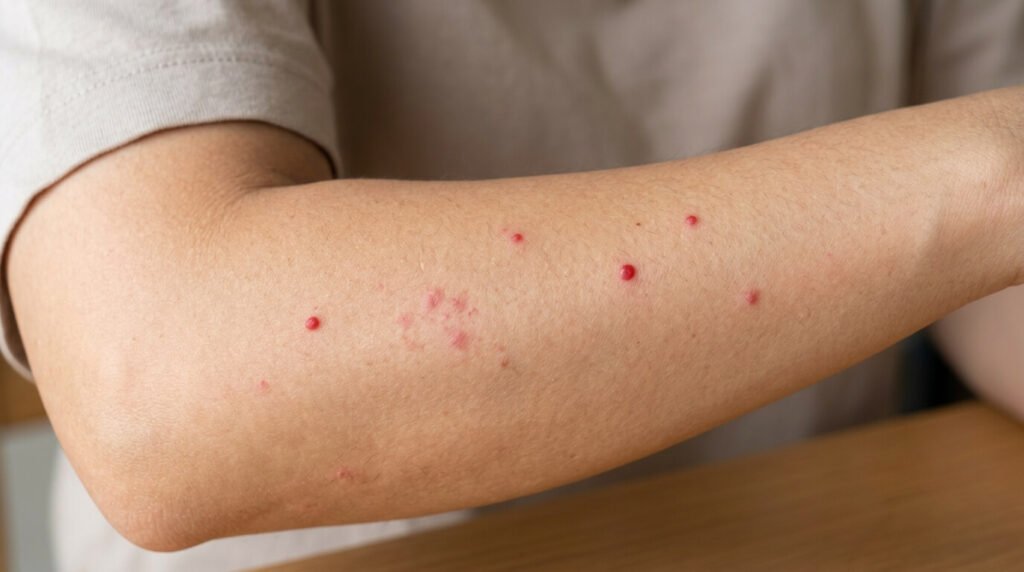
Finding unusual changes on your skin can be worrying. Many people notice small or large patches that suddenly appear and wonder whether they are harmless or signs of a serious problem. The good news is that most skin changes can be diagnosed and treated effectively. Understanding the causes, symptoms, and available treatments can help you take the right steps and prevent complications. Red spots on skin may occur because of allergies, infections, inflammation, or underlying medical conditions, making early diagnosis important for proper care.
What Are Red Spots?
These spots are areas where the skin becomes red due to irritation, inflammation, infection, or changes in blood vessels. They may appear as tiny dots, raised bumps, flat patches, or rashes. Some are itchy or painful, while others cause no discomfort at all.
The size, color, and location of the spots often help doctors identify the underlying cause.
Common Causes
Allergic Reactions
Allergies are one of the most common reasons for red spots on skin. Certain foods, medications, cosmetics, soaps, or environmental allergens can trigger inflammation and itching.
Common symptoms include:
- Itching
- Swelling
- Hives
- Burning sensation
- Rash spreading to other areas
Heat Rash
Heat rash occurs when sweat glands become blocked. It is common during hot weather or after exercise.
Symptoms include:
- Tiny red bumps
- Mild itching
- Prickly feeling
- Skin irritation
Eczema
Eczema is a chronic condition that causes dry and inflamed skin. It often affects children but can develop at any age.
Signs include:
- Dry patches
- Severe itching
- Cracked skin
- Redness and irritation
Psoriasis
Psoriasis is an autoimmune disorder that speeds up skin cell production. This results in thick and scaly patches.
Symptoms include:
- Raised plaques
- Silver scales
- Itching
- Dry skin
Fungal Infections
Ringworm and yeast infections can lead to circular patches and irritation. These infections spread through direct contact and often require antifungal medication.
Viral Infections
Chickenpox, shingles, and other viral illnesses may cause skin rashes accompanied by fever and body aches.
Bacterial Infections
Conditions such as cellulitis or impetigo may produce redness, swelling, and discomfort. These infections require medical treatment.
Petechiae
Petechiae are tiny red or purple dots caused by bleeding under the skin. They may signal blood disorders, infections, or medication side effects and should not be ignored.
Symptoms Associated With Skin Spots
Symptoms vary depending on the cause. Some people experience only mild irritation, while others develop more severe symptoms.
Common signs include:
- Itching
- Pain
- Swelling
- Dryness
- Burning sensation
- Fever
- Blisters
- Scaling
- Fatigue
When symptoms become severe or spread quickly, immediate medical care is recommended.
Risk Factors
Certain factors increase the chances of developing red spots on skin:
Allergies
People with allergies are more likely to experience rashes and irritation.
Weak Immune System
A weakened immune system increases the risk of fungal and viral infections.
Hot and Humid Weather
Excessive sweating can contribute to heat rash and skin irritation.
Family History
Conditions such as psoriasis and eczema often run in families.
Stress
Stress may worsen inflammatory skin disorders and trigger flare-ups.
How Doctors Diagnose Skin Conditions
Proper diagnosis helps determine the best treatment plan.
Physical Examination
Doctors carefully examine the size, shape, color, and location of the affected areas.
Medical History
Questions about medications, allergies, recent illnesses, and family history provide valuable information.
Blood Tests
Blood tests may help detect infections, autoimmune disorders, or vitamin deficiencies.
Allergy Testing
Patch testing helps identify substances causing allergic reactions.
Skin Biopsy
A small sample of tissue may be examined under a microscope to confirm certain diseases.
Fungal Culture
Laboratory tests help identify fungal infections and determine the appropriate medication.
Medical Treatments
Treatment depends on the underlying cause of red spots on skin.
Corticosteroid Creams
These medications reduce inflammation and itching caused by eczema and allergic reactions.
Antihistamines
Antihistamines relieve itching and swelling associated with allergies and hives.
Antibiotics
Bacterial infections require topical or oral antibiotics prescribed by a healthcare professional.
Antifungal Medicines
Fungal infections respond well to antifungal creams or tablets.
Antiviral Drugs
Shingles and some viral illnesses may improve with antiviral medications.
Moisturizers
Daily moisturizers protect the skin barrier and reduce dryness.
Phototherapy
Light therapy is sometimes recommended for chronic conditions such as psoriasis.
Home Remedies and Self-Care
Although medical treatment is important, home care can provide additional relief.
Apply Cold Compresses
Cool compresses help reduce inflammation and itching.
Avoid Scratching
Scratching can worsen irritation and increase the risk of infection.
Use Gentle Products
Fragrance-free soaps and moisturizers are less likely to irritate sensitive skin.
Stay Hydrated
Proper hydration supports overall skin health.
Wear Loose Clothing
Cotton clothing allows airflow and reduces irritation.
Prevention Tips
Preventive measures can lower the risk of developing red spots on skin and support healthy skin.
Maintain Good Hygiene
Regular cleansing helps remove bacteria and sweat.
Protect Your Skin
Use sunscreen and avoid prolonged exposure to harsh weather conditions.
Avoid Allergens
Identify triggers and stay away from products that irritate your skin.
Eat a Healthy Diet
Fruits, vegetables, whole grains, and omega-3 fatty acids support skin health.
Manage Stress
Stress management techniques such as exercise, meditation, and adequate sleep can reduce flare-ups.
When Should You See a Doctor?
Seek medical attention if:
- Spots spread rapidly.
- Fever develops.
- The rash becomes painful.
- Breathing problems occur.
- Symptoms persist for several weeks.
- Purple or pinpoint spots appear suddenly.
Early treatment improves outcomes and prevents complications.
Possible Complications
Untreated conditions may cause:
- Skin infections
- Scarring
- Permanent discoloration
- Chronic inflammation
- Emotional stress
- Reduced quality of life
Frequently Asked Questions
Are these spots always dangerous?
No. Many cases are harmless and improve with simple treatment, but some require medical evaluation.
Can stress cause skin changes?
Yes. Stress can worsen eczema, psoriasis, and hives.
Are fungal infections contagious?
Yes. They can spread through direct contact or shared items.
Can diet affect skin health?
A balanced diet supports healthy skin and may reduce inflammation.
Can dehydration make symptoms worse?
Dry skin caused by dehydration may increase irritation and discomfort.
Conclusion
Most cases of red spots on skin are treatable and manageable when diagnosed early. Causes range from allergies and infections to chronic inflammatory conditions. Understanding symptoms, seeking medical advice when necessary, and following preventive measures can protect your skin and improve your quality of life. If symptoms become severe or do not improve, consult a healthcare professional for proper diagnosis and treatment. Taking action early is the best way to maintain healthy skin and prevent complications related to red spots on skin.