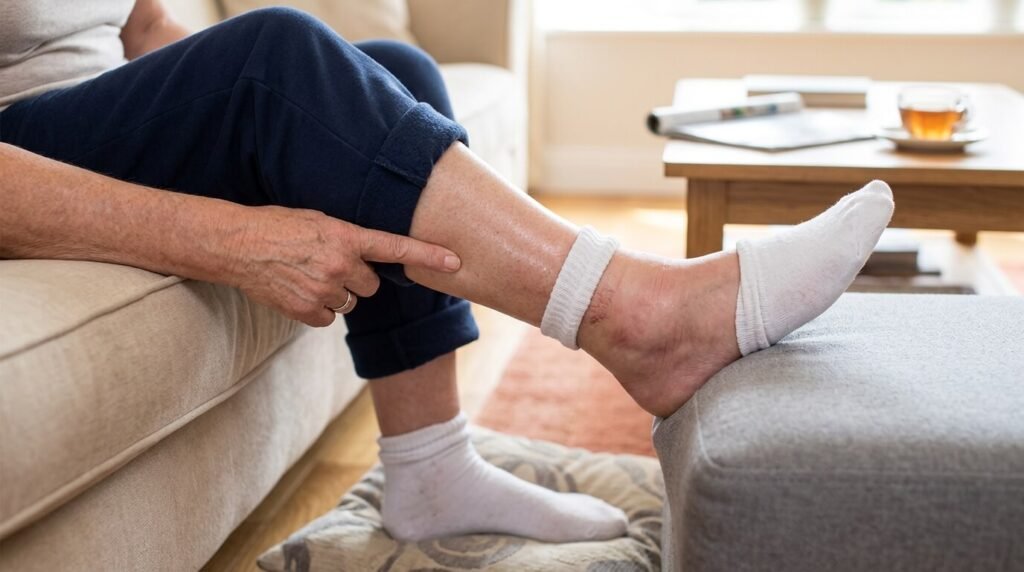

Many people notice pain, heaviness, or puffiness in their feet after standing for long hours, traveling, or sitting all day. In some cases, the problem goes away after rest, but sometimes it becomes more serious and affects daily life. Swollen ankles can happen because of injury, poor blood circulation, pregnancy, or certain medical conditions. The good news is that early care, healthy habits, and proper treatment can help reduce discomfort and prevent complications. Understanding the warning signs and learning simple ways to care for your body can improve comfort and support long-term health.
Blood Blister on Lip: Causes, Symptoms, and Treatment
What Are Swollen Ankles?
The ankles contain soft tissues, blood vessels, joints, and muscles that support body movement. When extra fluid builds up in these tissues, swelling appears around the ankles and feet. Doctors often call this condition edema.
Some people experience mild puffiness, while others notice severe swelling that makes walking difficult. The condition may affect one ankle or both. Temporary swelling is common after long periods of standing, but persistent swelling may need medical attention.
Fluid retention in the lower body often happens because gravity pulls fluid downward. Poor circulation, inflammation, or pressure in the veins can also contribute to this issue.
Common Symptoms of Ankle Swelling
The symptoms can vary depending on the cause. Some people only notice mild discomfort, while others develop serious pain and limited movement.
Common signs include:
- Puffiness around the ankles
- Tight or shiny skin
- Pain while walking
- Stiffness in the joints
- Warm feeling around the swollen area
- Difficulty wearing shoes
- Skin discoloration
- Heavy legs
- Redness around the feet
In severe cases, pressing the skin may leave a dent for several seconds. This is known as pitting edema.
Causes of Swollen Ankles
There are many possible reasons behind swelling in the lower legs and feet. Some causes are temporary and harmless, while others may require medical care.
Standing or Sitting for Long Hours
One of the most common reasons for swelling is staying in one position too long. Office workers, drivers, teachers, and travelers often experience fluid buildup in the legs because circulation slows down.
Ways to improve circulation:
- Walk every hour
- Stretch the legs regularly
- Avoid sitting with crossed legs
- Move the ankles frequently
Physical movement helps blood return to the heart more effectively.
Pregnancy and Hormonal Changes
During pregnancy, the body naturally holds extra fluid to support the growing baby. Hormonal changes and increased pressure on blood vessels may also lead to puffiness in the feet and lower legs.
Hot weather and standing for long periods can make swelling worse during pregnancy. Mild swelling is usually normal, but sudden or severe swelling should always be checked by a doctor.
Injuries and Sprains
Sports injuries, falls, or twisting the foot can damage ligaments and tissues around the ankle. The body sends extra blood and fluid to the injured area, causing inflammation and swelling.
Injury-related symptoms:
- Bruising
- Tenderness
- Difficulty walking
- Redness
- Warm skin
The RICE method is often recommended:
- Rest
- Ice
- Compression
- Elevation
This method helps reduce inflammation and supports healing.
Poor Blood Circulation
Blood vessels in the legs work hard to move blood back toward the heart. When veins become weak or damaged, blood may collect in the lower legs. This condition is called venous insufficiency.
Signs of circulation problems may include:
- Aching legs
- Visible veins
- Leg cramps
- Skin color changes
- Nighttime discomfort
Older adults and people with inactive lifestyles are more likely to experience these issues.
Heart Conditions
The heart plays a major role in pumping blood throughout the body. When the heart becomes weak, fluid can build up in the feet, ankles, and legs.
Other warning signs may include:
- Shortness of breath
- Fatigue
- Chest pressure
- Rapid weight gain
- Trouble breathing while lying down
Medical care is important if swelling appears together with breathing difficulties.
Kidney Problems
The kidneys remove extra fluid and waste from the body. When kidney function decreases, fluid retention may occur in the feet and legs.
Symptoms linked to kidney disease can include:
- Puffy eyes
- Tiredness
- Changes in urination
- High blood pressure
- Weakness
Kidney-related swelling often becomes noticeable in the morning.
Liver Disease
The liver produces proteins that help keep fluid inside blood vessels. Liver disease may lower these protein levels, allowing fluid to leak into surrounding tissues.
Additional signs may include:
- Yellowing of the skin
- Abdominal swelling
- Nausea
- Fatigue
- Loss of appetite
Persistent swelling should never be ignored when combined with these symptoms.
Blood Clots
A blood clot in the deep veins of the leg can block circulation and cause sudden swelling. This condition is called deep vein thrombosis.
Warning signs:
- Swelling in one leg
- Sharp pain
- Warm skin
- Redness
- Tenderness
A blood clot can become dangerous if it travels to the lungs, so emergency treatment may be necessary.
Side Effects of Medications
Certain medicines may cause fluid retention as a side effect.
Common medications linked to swelling:
- Blood pressure medicines
- Hormone therapy
- Steroids
- Diabetes medications
- Anti-inflammatory drugs
Anyone experiencing unusual swelling after starting medication should speak with a healthcare provider.
Obesity and Lifestyle Habits
Excess body weight puts pressure on joints and veins, increasing the risk of fluid buildup in the lower body. Poor diet, lack of exercise, and smoking may also contribute to circulation problems.
Healthy daily habits can improve overall vascular health and reduce pressure on the ankles.
Swollen Feet and Ankles in Older Adults
Aging naturally slows circulation and weakens muscles in the legs. Older adults are more likely to experience balance problems, fluid retention, and vein disorders.
Common contributing factors include:
- Arthritis
- Reduced mobility
- Chronic illness
- Poor circulation
- Medication use
Regular movement and routine health checkups can help reduce risks.
How to Reduce Swollen Ankles Naturally
Many mild cases improve with simple home care methods and lifestyle changes.
Elevate the Legs
Keeping the legs raised above heart level helps fluids move away from the feet and back toward the heart.
Helpful routine:
- Elevate legs for 20 minutes
- Repeat several times daily
- Use pillows for support
This method is especially useful after standing all day.
Stay Active
Exercise improves blood flow and helps prevent fluid buildup.
Good low-impact activities:
- Walking
- Swimming
- Cycling
- Gentle stretching
- Yoga
Regular movement supports healthy circulation.
Drink Enough Water
Many people think drinking less water reduces swelling, but dehydration can actually make the body hold more fluid.
Proper hydration helps the kidneys remove excess sodium and toxins from the body.
Reduce Salt Intake
Eating too much salt causes water retention. Processed foods, packaged snacks, and fast food often contain large amounts of sodium.
Better food choices:
- Fresh vegetables
- Fruits
- Lean protein
- Whole grains
- Unsalted nuts
Balanced nutrition supports healthy circulation and reduces inflammation.
Wear Compression Socks
Compression stockings gently squeeze the legs to improve blood flow. They may help reduce discomfort after long travel or standing.
People who spend many hours on their feet often benefit from supportive compression wear.
Use Cold Therapy
Cold compresses may reduce inflammation after physical activity or minor injuries.
Safe use:
- Apply for 15 to 20 minutes
- Repeat several times daily
- Avoid direct ice contact with skin
Cold therapy can help ease soreness and discomfort.
Medical Treatments for Persistent Swelling
Sometimes home care is not enough, especially when swelling is linked to an underlying medical condition.
Diuretics
Doctors may prescribe medications called diuretics to help the body remove excess fluid through urine.
These medicines are commonly used for:
- Heart conditions
- Kidney disease
- Liver disease
Physical Therapy
Therapy exercises can strengthen muscles, improve mobility, and support circulation after injuries.
Treatment for Underlying Conditions
Managing the root cause is often the most important step in recovery.
Possible treatments may include:
- Blood thinners for clots
- Heart medications
- Diabetes management
- Kidney care
- Infection treatment
Early diagnosis improves treatment success.
Causes of Swollen Ankles During Travel
Long flights and road trips often reduce movement in the legs, slowing circulation and increasing fluid retention.
Travel tips to reduce swelling:
- Stretch every hour
- Walk during breaks
- Drink water regularly
- Avoid tight clothing
- Move the feet while sitting
Simple movement can improve circulation during travel.
Foods That Support Healthy Circulation
Certain foods may help reduce inflammation and support blood vessel health.
Healthy options include:
- Salmon
- Leafy greens
- Tomatoes
- Berries
- Olive oil
- Nuts
- Citrus fruits
These foods contain vitamins, antioxidants, and healthy fats that support circulation.
When to See a Doctor
Mild swelling often improves with rest and self-care. However, some symptoms require medical evaluation.
Seek medical attention if you notice:
- Sudden swelling in one leg
- Severe pain
- Chest pain
- Difficulty breathing
- Fever
- Redness with warmth
- Swelling after injury
Persistent symptoms may point to serious circulation or organ problems.
Daily Prevention Tips
Healthy habits can lower the risk of swelling and improve overall leg health.
Helpful prevention methods:
- Stay physically active
- Maintain a healthy weight
- Avoid standing too long
- Wear supportive footwear
- Limit sodium intake
- Drink enough water
- Stretch during travel
- Rest with legs elevated
Consistency is important for long-term results.
Understanding Ankle Swelling and Heat
Hot weather causes blood vessels to expand, which may lead to increased fluid buildup in the feet and legs.
Ways to stay comfortable during heat:
- Stay in cool environments
- Avoid long sun exposure
- Wear breathable shoes
- Drink plenty of water
- Elevate the legs after activity
Summer swelling often improves with hydration and proper rest.
Conclusion
Many people experience swelling in the feet and lower legs at some point in life. While mild swelling is often temporary, persistent discomfort may point to circulation problems, injury, or medical conditions that need attention. Learning the warning signs and understanding healthy lifestyle habits can help protect overall health and mobility.
Simple actions such as staying active, reducing sodium intake, drinking enough water, and resting with elevated legs can improve comfort and circulation. In more serious situations, professional medical care may be needed to treat the underlying cause. Paying attention to early symptoms and maintaining healthy daily habits can make a big difference in preventing long-term complications and improving quality of life.